Introduction
In today's fast-paced world, the demand for convenient and also ready-to-eat food gets on the increase. This has resulted in an enhanced dependence on contract food manufacturing, where firms outsource the manufacturing of their foodstuff food manufacturing to specific suppliers. Nevertheless, one element that is typically overlooked in the agreement production process is reliable food storage space and distribution. In this short article, we will certainly check out the relevance of reliable food storage and also circulation in agreement production as well as its influence on the total quality and success of food products.
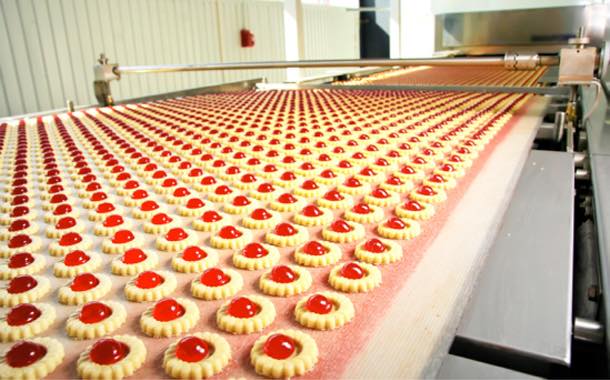

The Role of Contract Food Manufacturing in Australia
Australia has a growing food market, with a variety of local as well as international brands catering to the varied preferences and also preferences of consumers. Contract food manufacturing plays an essential role in this sector by giving companies with the needed sources, know-how, and also facilities to efficiently create their food products. From little startups to big firms, several businesses resort to contract producers to bring their culinary developments to life.
Contract Food Production in Brisbane: A Hub for Innovation
Brisbane, the capital city of Queensland, is recognized for its vivid food scene as well as cutting-edge cooking offerings. It comes as not a surprise that contract food manufacturing has actually thrived in this region. With cutting edge facilities and a competent labor force, agreement food manufacturers in Brisbane are fully equipped to deal with the manufacturing requirements of various services. Whether it's establishing brand-new dishes or scaling up manufacturing, these manufacturers play a critical function in bringing scrumptious food products to customers' plates.
Ensuring Quality: The Trick to Effective Agreement Food Manufacturing
When it pertains to contract food manufacturing, making sure product high quality is extremely important. Manufacturers have to abide by strict standards and also regulations set by authorities such as the Australian Food Requirement Code and also Good Production Practices (GMP). From active ingredient sourcing to manufacturing processes, every step has to be meticulously planned as well as executed to keep the finest standards. This not only assures consumer fulfillment yet also helps build trust as well as reputation for both the agreement manufacturer and also the brand they are creating for.
The Difficulties of Food Storage Space in Contract Manufacturing
Efficient food storage is a critical facet of contract production. The proper storage space of raw materials, components, as well as ended up items is important to keep their high quality and also freshness. However, this can be tough, particularly when handling disposable items or big quantities of inventory. Variables such as temperature level control, packaging stability, and stock administration play an essential duty in guaranteeing that food products stay secure for consumption throughout the supply chain.
Overcoming Storage space Challenges: Modern Technology and also Technology at Play
In recent years, developments in technology have actually revolutionized the means food is kept and also distributed in contract manufacturing. From modern refrigeration systems to advanced stock administration software application, producers currently have accessibility to devices that can enhance their operations and also guarantee optimal storage conditions. These technical developments not just enhance food safety and security yet likewise enhance efficiency as well as decrease waste, ultimately benefiting both the maker and the end consumer.
The Relevance of Efficient Food Distribution
Efficient food circulation is another important element of effective agreement production. As soon as the food are manufactured and also saved appropriately, they require to reach their designated destinations quickly. Prompt delivery ensures that the products stay fresh and meet consumer assumptions. Additionally, efficient circulation additionally decreases costs associated with transport and logistics while making best use of general productivity.
From Farm to Fork: The Journey of Food Products
The journey of foodstuff from ranch to fork involves several stages, each requiring mindful preparation and also implementation. Allow's take a more detailed check out each action involved in this process:
Sourcing Raw Materials: Contract food manufacturers work very closely with distributors to source top notch raw materials for their products. This includes everything from fresh fruit and vegetables to spices, condiments, and also packaging materials.
Food Production: Once the raw products are sourced, the contract supplier follows a set recipe as well as manufacturing process to create the preferred food. This entails numerous strategies such as food preparation, cooking, mixing, and also packaging.
Quality Control: Throughout the manufacturing procedure, quality assurance measures are carried out to guarantee that the completed item fulfills all safety and also high quality standards. This consists of regular inspections, screening, as well as adherence to regulative requirements.
Food Packaging: After the item is manufactured, it is meticulously packaged to maintain its quality and honesty throughout transport and storage space. Agreement manufacturers often give personalized product packaging remedies customized to fulfill the certain demands of their clients.
Storage and also Distribution: As soon as packaged, the foodstuff are saved in appropriate conditions to maintain their high quality. From temperature-controlled warehouses to efficient logistics networks, agreement makers ensure that the items are distributed effectively and also reach their locations on time.
FAQs
What is agreement food manufacturing? Contract food manufacturing describes contracting out the production of food to specific manufacturers. This enables businesses to concentrate on other elements such as marketing and also distribution while making certain high-grade products for their customers.
Why do business select contract food manufacturing in Australia? Business choose contract food manufacturing in Australia for various reasons, including cost-effectiveness, accessibility to customized expertise, compliance with governing requirements, as well as scalability of production.
What are the advantages of contract food manufacturing? The benefits of contract food manufacturing include reduced capital expense, access to advanced modern technologies as well as devices, increased production efficiency, faster time-to-market, and also adaptability in meeting transforming market demands.
What is the role of food packaging in agreement manufacturing? Food packaging plays an important duty in agreement production as it guarantees product security and also prolongs shelf life. It additionally functions as a marketing tool by providing information regarding the item and also boosting its visual appeal.
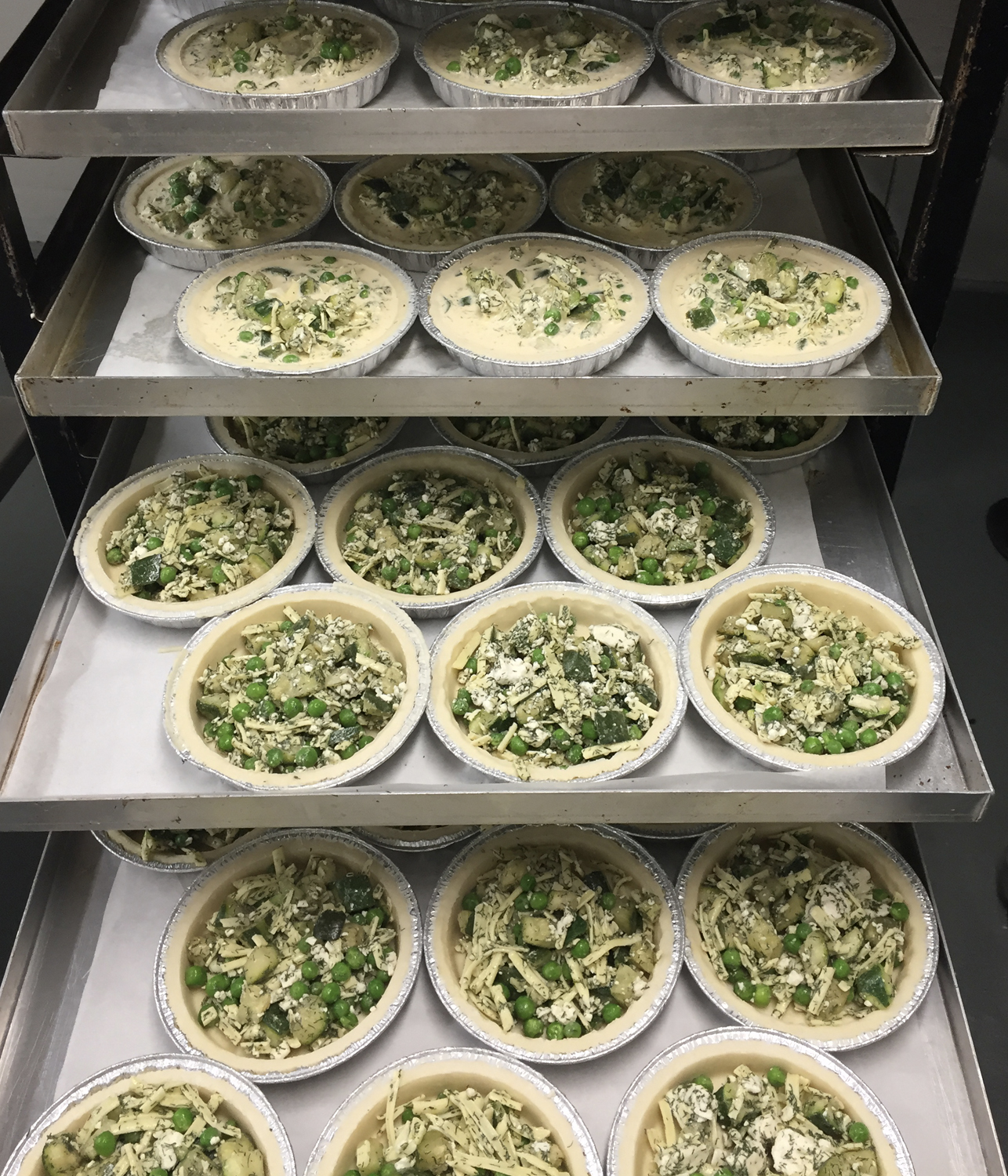
How crucial is food security in agreement manufacturing? Food safety is of utmost relevance in contract manufacturing. Complying with stringent food safety requirements ensures that the products are secure for consumption as well as helps develop customer trust.
How does effective food storage space and also circulation impact the success of agreement manufacturing? Reliable food storage and distribution play a substantial function in the success of contract manufacturing. They make certain that food products remain fresh, reach consumers in a timely manner, and preserve their quality throughout the supply chain.
Conclusion
Efficient food storage space and also circulation are crucial elements of effective contract manufacturing. From making sure product top quality to reducing wastage and meeting client assumptions, every facet of the supply chain plays a significant role in providing secure as well as premium foodstuff to customers. By leveraging technological innovations, sticking to regulative standards, as well as focusing on client complete satisfaction, contract producers can boost their competition in the market while contributing to the total development of the Australian food industry.